Cayo Levantado Snorkeling: What You Can See And How To Do It
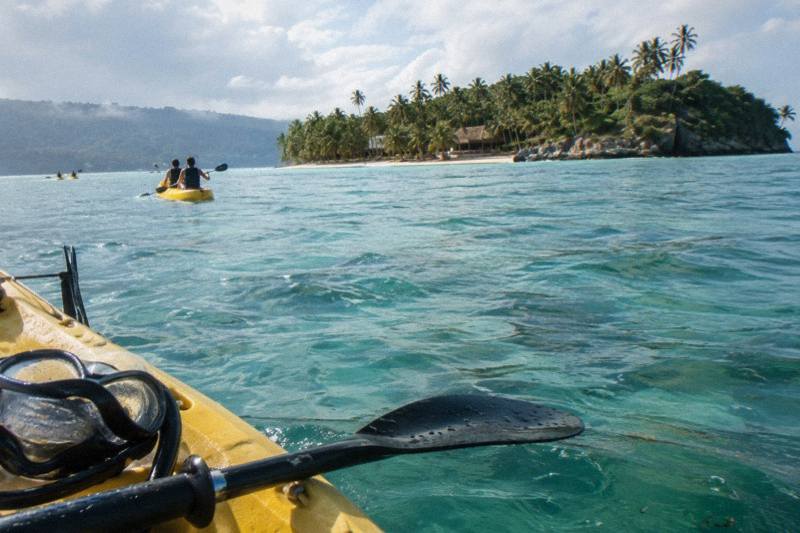
Cayo Levantado sits in the protected corner of Samana Bay where tour boats stop for beach time, and for many travelers the swimming is the whole point of the day. This guide separates what the listings actually include from what the sea decides on the day.
Short answer
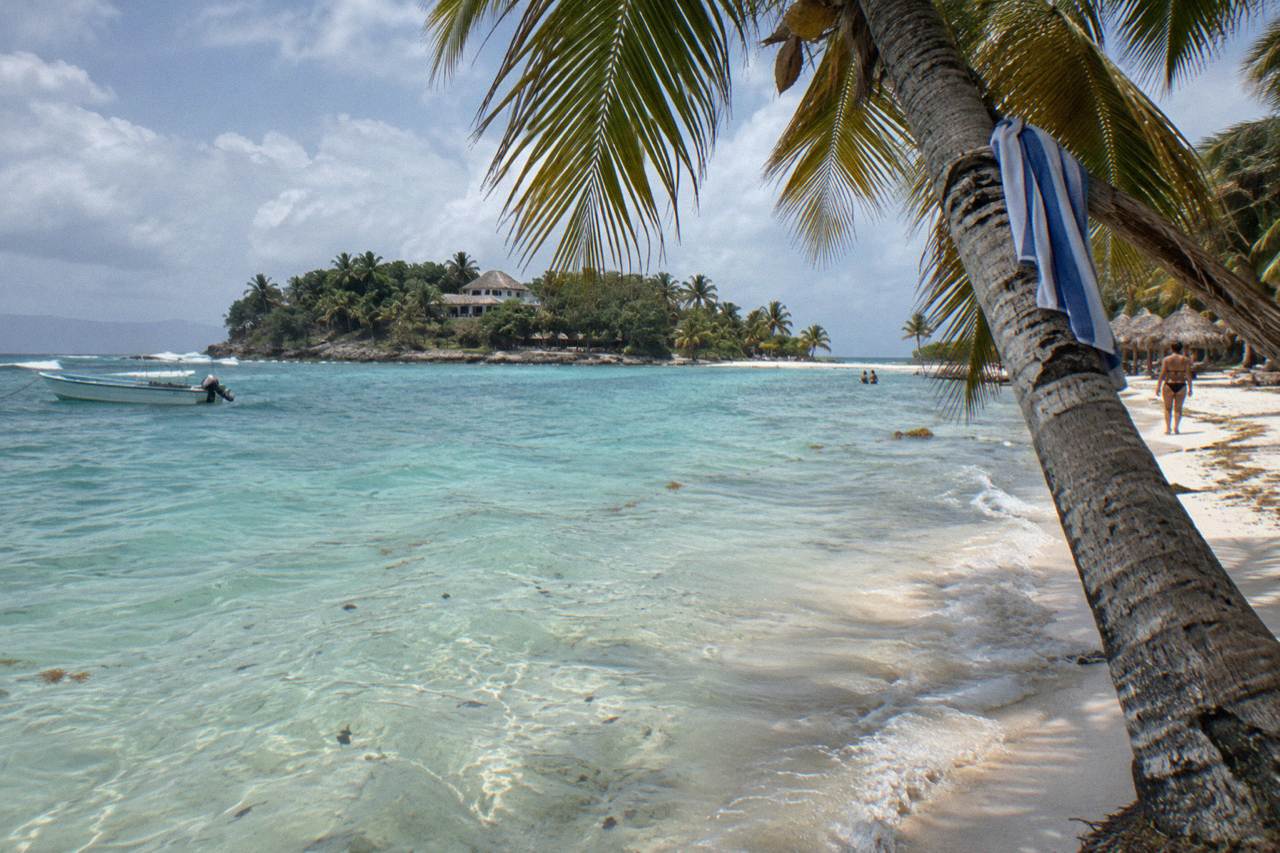
Snorkeling at Cayo Levantado happens in calm, shallow bay water off the public beach, and it is part of the day rather than a dive-trip destination. Only some tours list gear: the Samana Bay Snorkeling and Kayaking Tour lists kayaking and a speedboat from $95, while the boat day trip from $28 lists no gear at all. Conditions vary with weather and boat traffic.
Cayo Levantado, the palm-covered island in Samana Bay that most visitors call Bacardi Island, is about one square kilometre in size and sits about 5 km (3 miles) from the port town of Samana. The public side holds the beach, the fresh-fish stalls and the day-visitor action, while an all-inclusive resort occupies the other half of the island. Travelers also call the island Cayo Escondido, a name used informally, never as an official one. For snorkelers the question is simpler than it looks: the bay water is calm and clear enough for casual swimming, but only a handful of the island's tours list snorkel gear at all, and the ones that do sell the water as one stop in a fuller day.
This guide walks through what the listings on this site actually include, what lives in the water around the island, how weather and boat traffic change visibility, and how to choose between a beach-based swim and a boat-led snorkeling stop. Expect turquoise water, coral and colorful fish whichever option you pick.
Is Cayo Levantado Actually Good For Snorkeling?
The honest answer is that Cayo Levantado is a relaxed, shallow-water snorkeling spot rather than a serious reef destination. The bay side of the island offers calm, turquoise water that listings describe as crystal clear, with colorful fish reported near the rocky edges, and it suits beginners and families who want a swim with a view. Experienced snorkelers should treat it as one pleasant hour inside a beach day, not the reason to book.
The island sits inside Samana Bay, which is relatively protected compared with the open Atlantic side of the peninsula. That protection is what makes the water swimmable most days: wave energy is low, the shallows warm up quickly, and sea temperatures in Samana run from 26 to 28 C across the year. Tour descriptions of the island consistently mention clear turquoise water and marine life near the shore, with fish gathering around the quieter rocky margins rather than a wall of coral.
What the island does not have, based on everything published about it, is a documented offshore reef dive scene. It is a small island, roughly 100 hectares with a highest point of 24 m, and the snorkeling is close to shore. If your mental picture is a drift over a coral garden with a hundred species, this is the wrong island. If your picture is an easy float in warm, fishy water between a buffet lunch and a rum punch, it fits well.
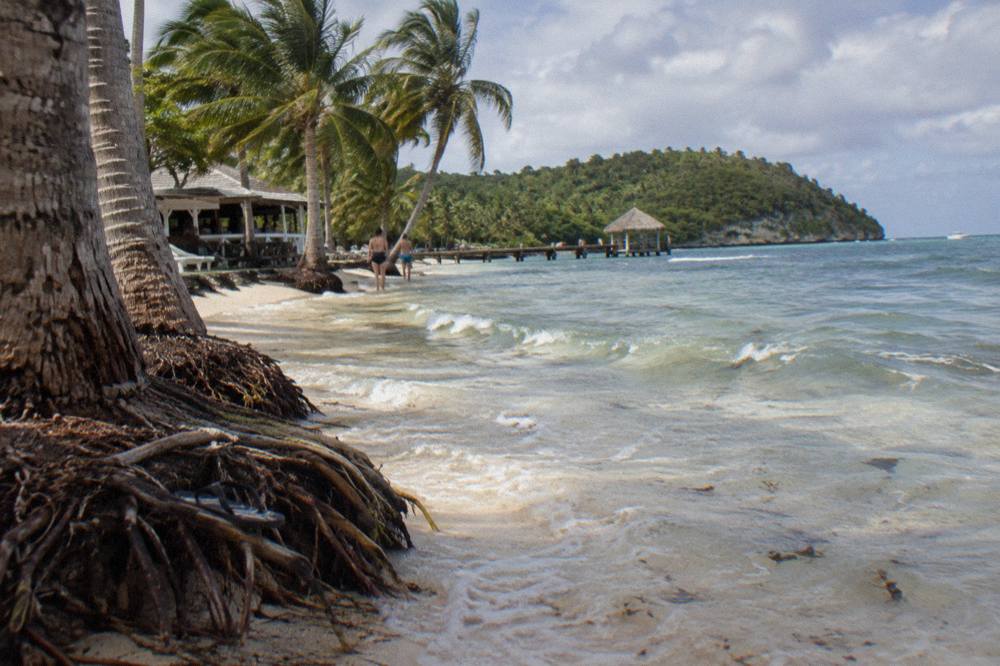
The shape of the day matters too. A visit to the public beach gives you free swimming off the sand, with simple stalls selling food and drinks nearby, and the island's restaurants serve fresh fish when the boats bring it in. There are no ATMs on the island, so cash in small bills covers drinks, tips and souvenirs. Snorkeling from the beach means bringing or renting your own mask unless your tour supplies one, which brings us to the next question.
Which Cayo Levantado Tours Include Snorkeling Gear?
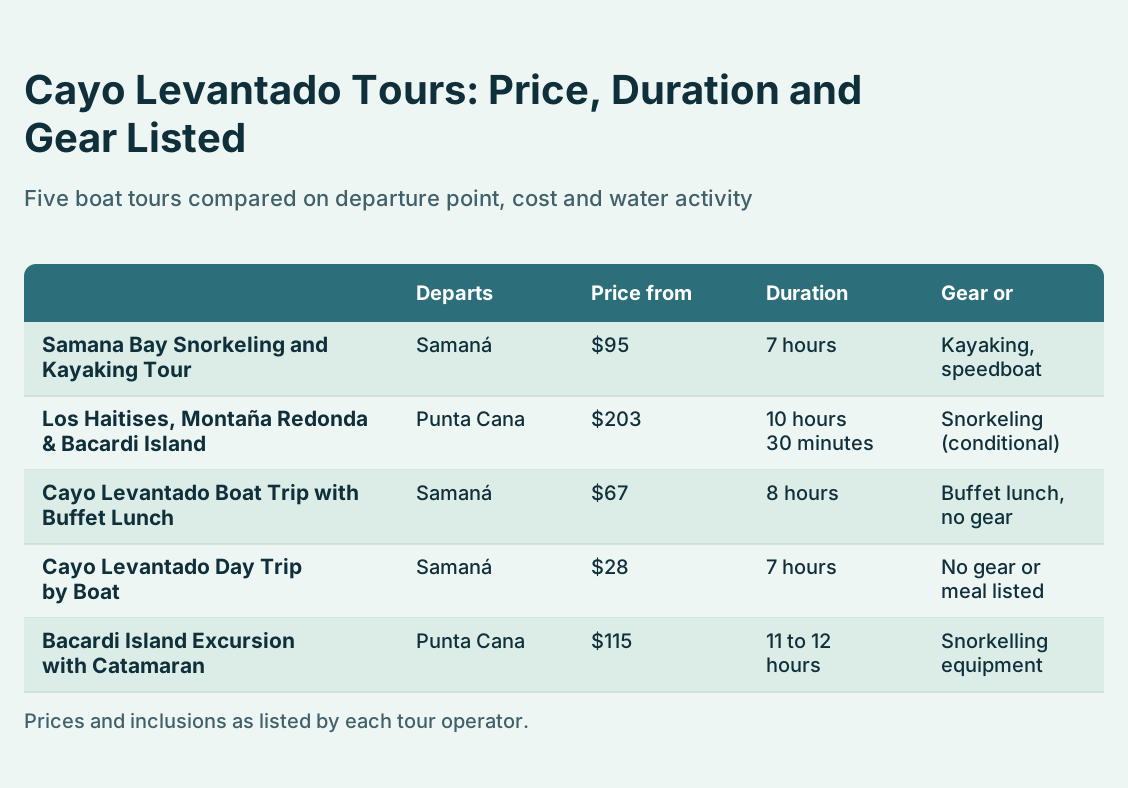
Gear inclusion is listed by only a few tours on this roster. The Samana Bay Snorkeling and Kayaking Tour (from $95 per person, 7 hours, free cancellation listed) names kayaking and a speedboat. The Punta Cana Los Haitises, Montaña Redonda and Bacardi Island tour (from $203) lists snorkeling in good climate conditions. Most Samana boat trips, including the popular day trip from $28, list no gear at all.
Checking each listing's own record is the only reliable method, because two tours with nearly identical names can differ on exactly this point. The table below pulls the gear-relevant details straight from each tour's published inclusions.
| Tour | Departs | Price from | Duration | Gear or water activity listed |
|---|---|---|---|---|
| Samana Bay: Cayo Levantado Snorkeling and Kayaking Tour | Samaná | $95 | 7 hours | Kayaking, speedboat, local food, drinks |
| Los Haitises National Park, Montaña Redonda & Bacardi Island | Punta Cana | $203 | 10 hours 30 minutes | Snorkeling (in good climate conditions), swim stops, sunloungers |
| Samana: Cayo Levantado Island Boat Trip with Buffet Lunch | Samaná | $67 | 8 hours | Buffet lunch, one piña colada per adult, no gear listed |
| Samana: Cayo Levantado Day Trip by Boat | Samaná | $28 | 7 hours | Boat ride and live guide, no gear or meal listed |
| Bacardi Island Excursion with Catamaran, Beach and Lunch | Punta Cana | $115 | 11 to 12 hours | Use of snorkelling equipment, breakfast, lunch |
Notice the pattern: the tour that names snorkel gear outright is the big catamaran excursion from Punta Cana, which rates 4.7 from 72 reviews and lists use of snorkelling equipment alongside breakfast and lunch, while the Montaña Redonda tour mentions snorkeling in good conditions. The cheapest crossing, the day trip by boat at 4.7 from 39 reviews, is a transport-and-guide product: you get to the island and back for less than any other option, and whatever you do in the water is your own arrangement.
If you are already committed to time in the water, the snorkeling and kayaking tour's own page lays out the full inclusion list. Where a listing says "in good climate conditions", read that literally: operators attach the caveat because sea state, not policy, decides whether the gear goes in the water.
One more distinction worth making before you book: similar-name listings are different products. The buffet-lunch boat trip from $67 and the bare boat day trip from $28 both leave from the Samaná side and both reach the same island, but one feeds you and one does not, and neither promises a mask. Choosing between them is really choosing what your day is for.
What Can You See In The Water Around Bacardi Island?
Listings and visitor reports describe colorful fish, calm reef-adjacent shallows and clear turquoise visibility close to the island, with kayaks used to reach quieter corners. No source documents a large coral wall or turtles as routine sightings, so set expectations at tropical fish in shallow, sheltered water. Sea temperatures of 26 to 28 C mean no wetsuit is needed at any time of year.
The most credible picture comes from combining what the tour operators themselves write with what fresh destination reporting says about the island. The Samana Bay whale-and-kayak combo lists certified guides, a marine sanctuary entrance and lunch on the island, while the dedicated kayak and snorkel excursion centers on guided paddling. Together they tell you the water activity is a structured, guided stop rather than free-roaming reef exploration. Destination write-ups describe vibrant marine life and colorful fish in the calm bay areas near the island, suitable for beginners.
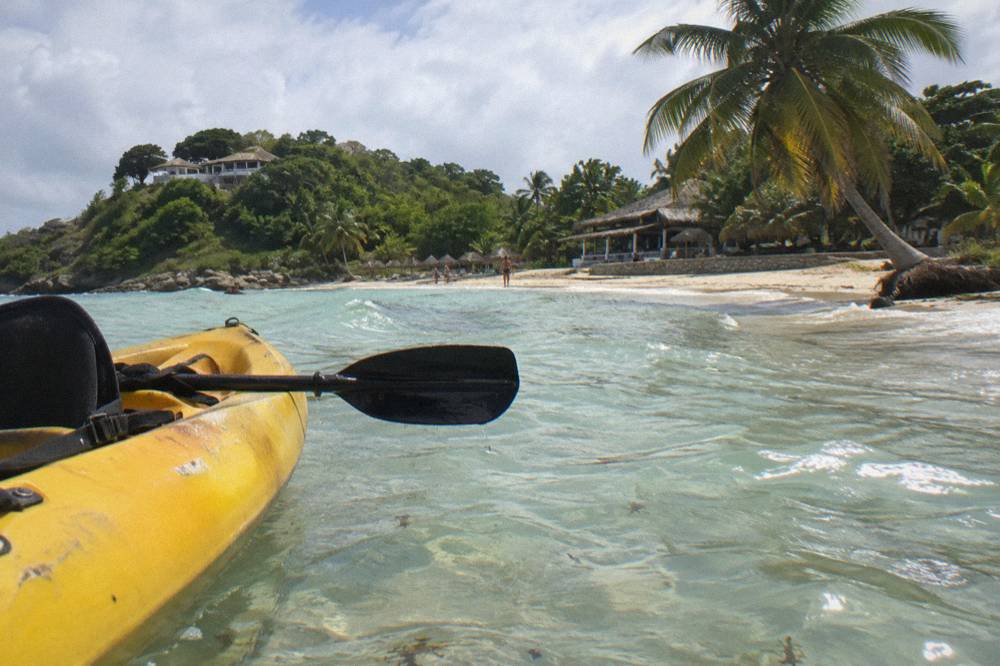
The rocky edges are where the fish concentrate. Sandy stretches give you empty water and a lovely swim; rocks and any patch of structure give you something to look at. Water shoes help on those edges, a point the island guides repeat, because the transition from sand to rock is uneven underfoot. If you are bringing your own mask and fins, plan to swim toward the quieter flanks of the public side rather than the main swimming area in front of the stalls, where boat traffic and feet stir the sand.
Kayaking changes the equation more than most visitors expect. The kayak-and-snorkel listing exists for a reason: the interesting water sits a short paddle from the beach, and certified guides accompany the group throughout. Kayaks suit that setup. They work best on calm, sheltered water, which is what these trips keep to near the shore, and the format is built around an easy pace with stops for getting in the water along the way.
For swimmers who want depth on what the island's shore offers beyond the water, the Cayo Levantado beach guide covers the public side, the stalls and where the calm water sits on a typical day.
How Do Sea And Weather Conditions Affect Visibility In Samana Bay?
Samana has no true dry season: monthly highs run 28 to 31 C with 11 to 17 rainy days per month, and the wetter stretches are typically May and September through November. Bay protection keeps the island side swimmable most of the year, but wind, boat traffic and rain runoff all cut visibility, and reviews note the crossing itself can be choppy on windy days even when the beach water stays calm.
The climate pattern matters less for temperature than for water clarity. February and March tend to be the driest months, which coincides neatly with whale season, officially January 15 to March 30, when the official tourism authority confirms humpback watching in the bay. The same calm, dry window that brings the whales tends to give the clearest island water. By contrast, a heavy rain in the hills above Samana can muddy the near-shore shallows for a day or two as runoff works its way into the bay.
Wind direction does the rest. The island's leeward side, sheltered from the prevailing breeze, holds its clarity longest; the exposed edges pick up chop that lifts sand and cuts the view. This is why the same beach can look like glass at 9 a.m. and murk by mid-afternoon when several boats have arrived at once. Reviews consistently recommend morning time on the island: the water is calmer, the crowds thinner, and the light better for seeing fish.
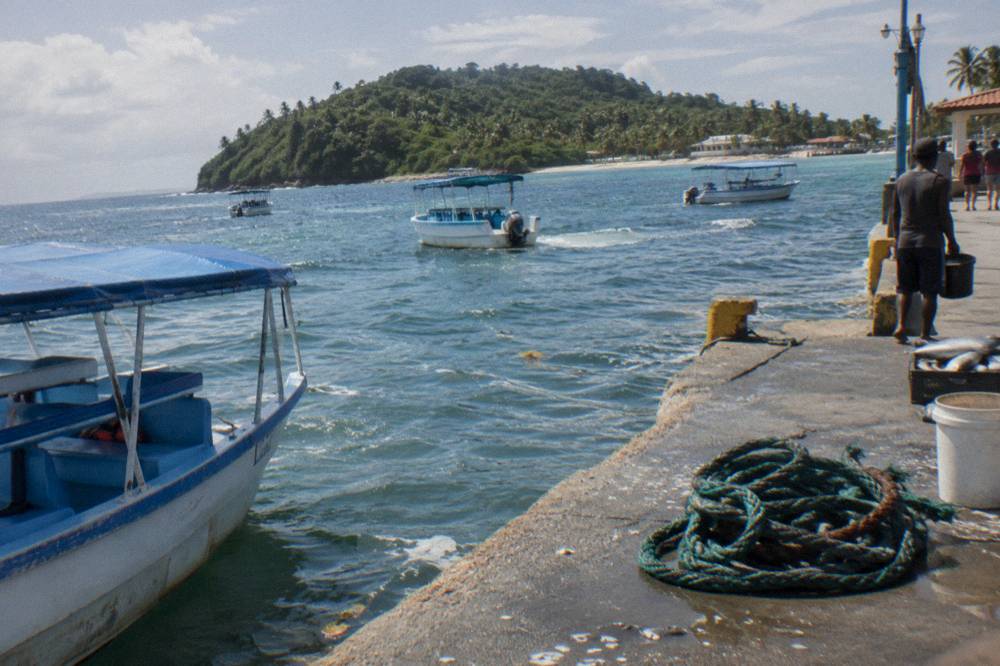
The boat crossing deserves one honest paragraph of its own. Multiple traveler reports describe the crossing between Samaná and the island as choppy in windier conditions, with seasickness affecting some passengers, even though the bay itself is relatively protected. Anyone prone to motion sickness should take remedies before boarding, a recommendation that appears again and again in reviews of the whale-watching and island combos. More detail on the crossing itself is in how long the boat ride to Cayo Levantado is.
Hurricane season officially runs June 1 to November 30 across the region, with activity peaking in August and September. Direct major hits on this coast are historically rare, and the practical effect on a snorkeling trip is usually a rescheduled day rather than a ruined week, but it is one more reason the winter months dominate the recommendations.
Should You Snorkel From The Public Beach Or Join A Guided Boat Tour?
Snorkeling from the public beach is free once you are on the island and suits confident swimmers with their own mask; a guided tour adds gear, a kayak, a guide who knows where the fish are, and usually lunch, at prices from $28 for a bare crossing to $95 for the full snorkel-and-kayak itinerary. Cruise days can restrict island visits, a caveat the official film commission notes explicitly, so boat-based trips carry schedule certainty the beach cannot.
The beach route works well for a certain kind of traveler: someone staying in Samana town, already carrying a mask and fins, happy to buy the boat crossing and a fish lunch and swim where the sand turns to rock. The island's public side has bathrooms in two locations, stalls, and beach vendors, so a self-guided day is genuinely comfortable. What it lacks is structure: nobody points you at the fish, and nobody supplies gear. The full index of guides sits on Cayo Escondido.
The guided route bundles most unknowns. The kayak-and-snorkel listing covers a local guide, the speedboat, kayaking, local food and drinks in its price, plus hotel pickup and drop-off from Samaná. The buffet-lunch boat trip, 4.1 from 38 reviews at from $67 per person, trades the kayaks for a beach buffet and a piña colada per adult. And the big Los Haitises combo from Punta Cana folds a snorkeling stop into a 10-and-a-half-hour day that also takes in the national park's caves and mangroves, with the listing's own caveat that snorkeling runs in good climate conditions.
One restriction applies whichever way you go: the official Dominican film commission page for the island states there may be restrictions for visits on days when large cruise ships dock off the island. That official page also documents the island's basics, including its distance from Samana and the split between the public beach and the resort. A scheduled tour operator handles any such disruption; an independent beach day does not.
For a broader comparison of what every island itinerary includes and omits, the what is included on a Cayo Levantado tour guide breaks the roster down line by line.
What Should You Bring For A Snorkeling Day At Cayo Levantado?
Bring your own mask if you have one, reef-safe sunscreen, a towel, a hat, water shoes for the rocky edges, a dry bag, and cash in small bills for stalls and tips, since the island has no ATMs. If your tour lists gear, the mask is provided but confirm fins on the listing; if it does not, nothing on the public side is guaranteed to rent. Motion-sickness remedies help on the crossing.
The packing list for this island is short and practical. Reef-safe sunscreen matters because the fish you came to see live in water that everything on your skin ends up in; several tour listings recommend it directly. Water shoes earn their space on the rocky transitions, and a dry bag keeps a phone usable through a boat landing. Cash covers the gaps: drinks beyond what the tour includes, souvenirs from the artisans' stalls, and tips for guides and crew, where general Dominican practice runs roughly $5 to $20 per person depending on tour length.
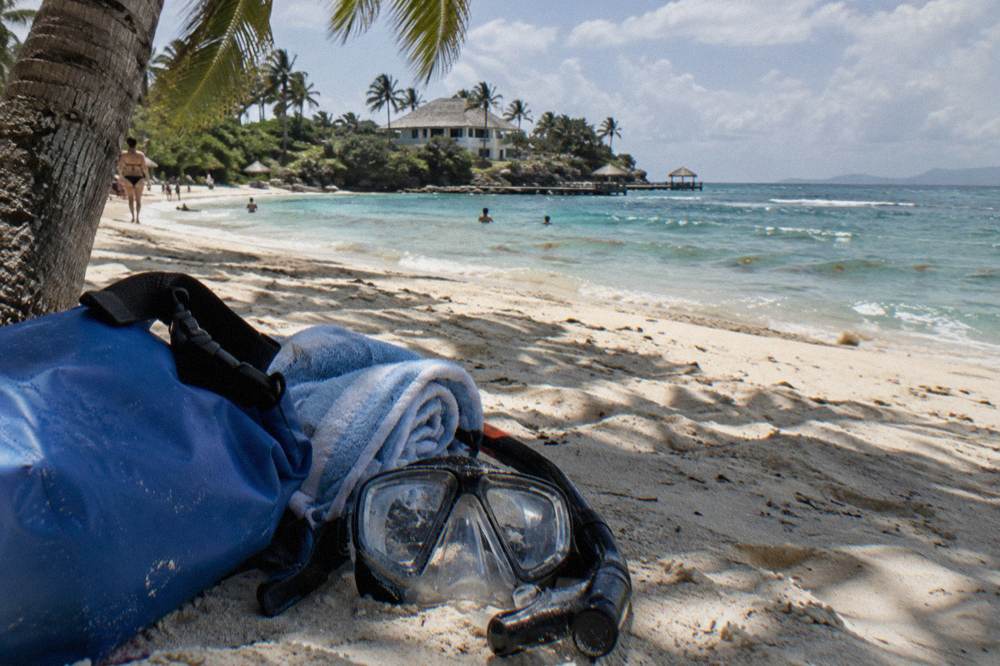
The full item-by-item breakdown, including what changes between winter and summer trips, lives in the what to bring to Cayo Levantado guide. The one snorkeling-specific addition is the mask itself: a well-fitting personal mask beats a shared one every time, and it costs less than a single tour ticket.
Which Departure Town Suits A Snorkeling Trip To Cayo Levantado?
Samaná town is the snorkeler's base: every water-focused tour on the roster departs from there, the crossing is a short boat taxi, and the kayak-and-snorkel trip costs from $95. Punta Cana trips run 8 to 12 hours by road and boat and fold the island into bigger combo days. Las Terrenas, Santo Domingo and Puerto Plata options exist but none is built around time in the water at the island.
The geography decides this one. Samaná's port on Avenida Marina is where the boat taxis leave regularly, daily, and the island lies about 5 km out in the bay. From there the day is short and the water time long. Punta Cana travelers face a drive that mapping services estimate at just over five hours of free-flow road time each way, which is why every Punta Cana product on this roster is a full combo: catamaran, lunch, waterfalls or whale watching, with the island as one stop. The free-flow estimate comes from routing data and real conditions run longer with pickups.
| Departure town | Water-focused options | Typical price from | Day length | Notes for snorkelers |
|---|---|---|---|---|
| Samaná | Snorkel and kayak tour; boat day trips | $28 to $95 | 4 to 8 hours | Shortest transfers, most time in the water |
| Las Terrenas | Island day trip with lunch | $125 | Full day | Hotel pickup listed; drive to the bay first |
| Punta Cana | Catamaran and combo tours | $110.40 to $203 | 8 to 12.5 hours | Gear listed on some, long road segment |
| Santo Domingo | Los Haitises combos | $135 to $179 | 14 hours | Park and island focus, no gear listed |
| Puerto Plata | Los Haitises and Bacardi Island | $147.25 | 11 hours | Longest drive, buffet lunch listed |
For travelers weighing the whole peninsula rather than one island, the best time to visit Cayo Levantado guide pairs the visibility calendar with the crowd calendar, and the two line up: the same dry, calm, whale-season window that clears the water also brings the most boats.
How Does A Snorkeling Day Fit Around Lunch And Boat Schedules?
Standard shared boat days from Samaná run about 7 hours, typically departing mid-morning after check-in and returning late afternoon, which leaves several hours of island time. Tours that list a buffet lunch, from $67 with the beach buffet trip, build the meal into the island stop; the bare $28 crossing lists no meal, so budget for the fresh-fish stalls on the public side instead.
The rhythm of the day is worth planning rather than drifting into. Morning is the calm-water window, so the serious swimming and snorkeling belongs in the first hours after arrival, before the midday boats stack up and the beach fills. Lunch lands naturally in the busy middle of the day, when the sand is at its most crowded and the water at its most stirred. Afternoon departure then gives you a second, quieter swim window as the earlier boats leave, which experienced visitors use deliberately.
Tours handle this differently. The buffet-lunch trip serves its meal on the beach as a seated stop. The Punta Cana combos, like the catamaran excursion at 4.7 from 72 reviews, move a large group through breakfast on the bus, lunch on the schedule and gear time in between, an efficient but less flexible shape. The half-day guided adventure from Las Terrenas, from $130, even lists lobster in its inclusions, the most ambitious lunch on the roster, in a 4-hour format that trades a long afternoon for intensity.
Whatever the format, the meal details come from each listing's own record, and the Cayo Levantado food and lunch guide collects them all in one place, including what the island's own stalls serve day visitors.
Before choosing, one practical note for anyone flying in: all passengers entering or leaving the Dominican Republic on commercial flights complete the free E-TICKET electronic form before travel; cruise and ferry passengers do not need it. It costs nothing and takes minutes, and it is the one piece of paperwork that can delay an otherwise smooth departure morning.
Putting The Day Together
The short version for a snorkeler is straightforward: the water at Cayo Levantado is warm, calm and fishy enough to justify bringing a mask, and the only real decisions are whether your tour supplies one and how much of your day the road takes. Samaná-based travelers get the most value from the water-focused trips; Punta Cana travelers get the island folded into a longer combo and should check each listing's gear line before assuming snorkeling is included.
Visibility follows the calendar, the wind and the boat schedule, in roughly that order, and the morning hours beat the afternoon on all three. Travelers who want the water to be the point of the day should anchor themselves in Samaná; travelers already committed to a resort elsewhere should pick the combo whose inclusion list names the gear, the meal and the stops they care about, and read the fine print on the climate-conditioned activities.
The table below compresses the decision into the three itineraries a water-minded visitor most often weighs.
| If your priority is... | Best fit on the roster | Price from | Why it fits |
|---|---|---|---|
| Maximum time in the water | Samana Bay Snorkeling and Kayaking Tour | $95 | Kayaks, guides, Farola entry tickets and local food in one day |
| Cheapest possible island day | Cayo Levantado Day Trip by Boat | $28 | Bare crossing and live guide; bring your own mask |
| A relaxed beach day with lunch | Cayo Levantado Island Boat Trip with Buffet Lunch | $67 | Beach buffet, one piña colada per adult, free cancellation listed |
Common Questions About Snorkeling At Cayo Levantado
Is Cayo Levantado Good For Snorkeling?
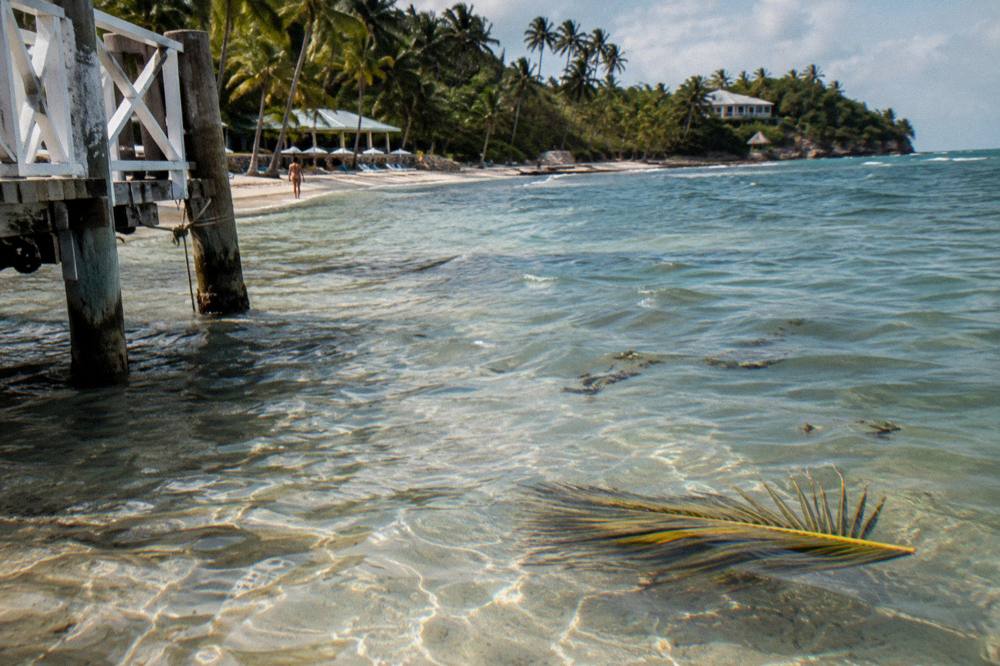
As a relaxed, shallow swim with colorful fish close to shore, yes. As a serious reef destination, no source supports that. Treat the snorkeling as one pleasant part of a beach day, best in the calm morning water.
Do Cayo Levantado Tours Include Snorkel Gear?
Some do and most do not. The Samana Bay Snorkeling and Kayaking Tour lists kayaks and safety gear from $95, and the Punta Cana catamaran excursion lists use of snorkelling equipment. The basic boat day trip from $28 lists no gear, so bring your own mask.
When Is The Water Clearest At Bacardi Island?
Typically in the drier months of February and March, in the morning before boat traffic builds, and on the island's sheltered leeward side. Heavy rain can muddy the shallows for a day or two.
Can You Snorkel From The Public Beach At Cayo Levantado?
Yes, the public side is open to day visitors with bathrooms, stalls and restaurants. Free swimming is possible off the sand, and the rocky edges hold the most fish, so water shoes help. Gear is not guaranteed to rent there.
Is The Boat Crossing To Cayo Levantado Rough?
The bay is relatively protected, but reviews note the crossing can be choppy in windy conditions and seasickness affects some passengers. Motion-sickness remedies taken before boarding are the standard advice.
Are There Restrictions On Visiting Cayo Levantado?
The official film commission notes there may be restrictions on days when large cruise ships dock off the island. Scheduled tour operators adjust around such days; independent visitors cannot.